Once a humble box at the end of the garden, the shed is finally having its moment. While it was long considered a purely functional structure – it is now being reimagined as something far more meaningful. No longer just a place to store tools and old tins of paint, the modern outbuilding is being transformed into a feature that adds value, character and practical flexibility to outdoor living.
In urban and suburban gardens alike, people are rethinking how their outbuildings can work harder. Whether you want a dedicated space to work from home, a quiet corner to pursue a hobby or a visually satisfying addition to your landscape, that forgotten shed may hold untapped potential.
Redesigning the shed starts not just with what goes inside but how it fits into the wider aesthetic of the garden. How it looks, how it relates to surrounding materials and how it functions all contribute to whether it feels like a design choice or an afterthought.
Make it part of the plan
Sheds have often felt disconnected because they were rarely included in the original garden design. Instead, they were added in later, pushed to the edge and allowed to fade into the background. But a little attention to placement and finish can bring them into the heart of the outdoor space.
Read More : The Garden Shed is Dead: Reinventing Your Outbuilding as a Design Feature
An outbuilding that echoes the tones or materials of other features – like a deck, fence or pergola – instantly feels more intentional. Even if it sits in a quiet corner, a shed with complementary finishes can connect it visually to the rest of the garden.
Material choices have a big impact. Textured finishes like composite cladding provide a clean, contemporary look that resists weather and wear. It also works well with a variety of garden styles, from rustic to modern.
Let function shape the design
A growing number of people are turning their sheds into useful extensions of the home. They become offices, hobby studios, garden gyms or just peaceful hideaways. Others still use them for storage, but want them to look better doing it.
Understanding how the space will be used is the first step toward designing it well. Light and airflow matter. Orientation, access, and interior layout should all reflect the activities that will take place inside.
Heating, insulation and electricity are now common additions to garden buildings. This opens up year-round use and expands the role the shed can play in daily life, far beyond a place to stash tools.
Refresh the view
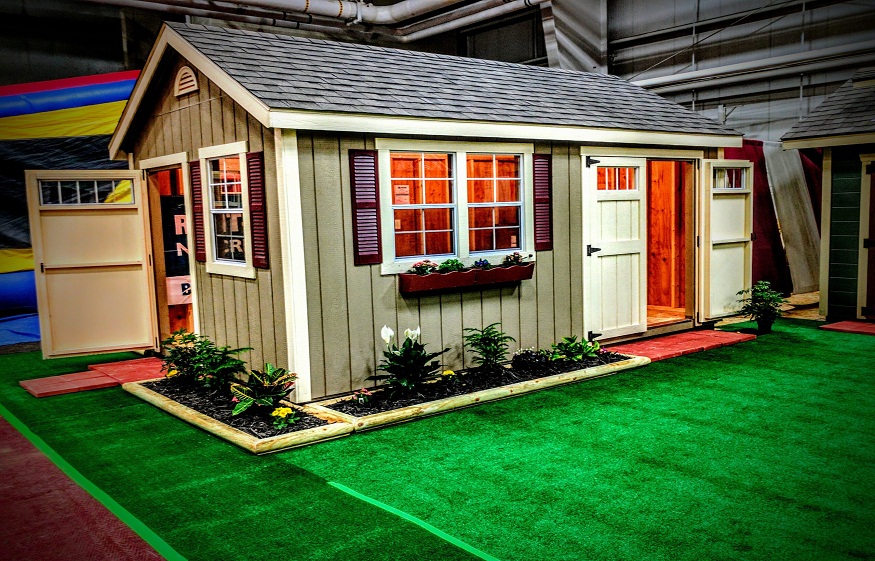
A quick way to elevate a tired shed is to rethink the exterior. Materials, colour and texture can make a surprising difference. Whether you paint it, reclad it, or add decorative panels or trellises, updating the façade helps shift the perception of the building.
Think about where the shed sits in your line of sight. Is it visible from your kitchen or patio? Does it interrupt a beautiful planting view or frame it? A refreshed shed can act as a backdrop for a flower bed or even a focal point of its own.
Lighting helps here too. Soft solar lights, uplighting around the base or subtle wall fixtures can add drama and usability after dark.
Small footprint, big style
Even a modest shed can pack a visual punch. In fact, in a smaller garden, the shed might be the largest structureand therefore a dominant design element.
Use vertical boards to emphasise height or horizontal ones to stretch the space visually. Lighter colours can help the structure blend in, while bold tones give it prominence.
You can also soften the look with natural elements. Climbing plants, timber planters or gravel borders help embed the building in its surroundings and give it a more curated presence.
Functional and beautiful
Storage doesn’t need to mean unsightly. Inside, shelving, peg boards and modular storage systems can keep things tidy. On the outside, good design ensures that practical needs don’t overwhelm aesthetic goals.
You could also go green – literally. A simple green roof on a shed can provide insulation and encourage biodiversity while giving the structure a softer, more natural appearance.
The more attractive the shed is, the more it becomes a building you want to include in your daily life, not just one you try to hide behind the shrubbery.
Make it a destination
The most appealing shed transformations are those that turn the building into somewhere you actively want to go. This might be as simple as placing a chair outside, adding a small deck or building a path that leads to it.
A well-positioned shed that gets morning light becomes the perfect coffee spot. One that captures the golden hour in the evening could be your ideal reading retreat. These decisions are about feeling, not just function.
Adding glass doors or a picture window connects the interior with the garden. It gives the space a bigger presence and makes it feel less enclosed and more part of the landscape.
Design for the future
Garden buildings evolve with your needs. A child’s playhouse may become a home office or creative retreat. A tool store might shift into a guest room. Designing with flexibility in mind means you can make changes down the line without major work.
Neutral cladding, simple layouts and multipurpose furniture help with this. A well-considered structure can take on many roles over time, adapting as your needs and garden grow.
The final touch
Your shed doesn’t need to compete with your house – but it should complement it. A clear design language that carries through materials, colours and lines brings unity and calm.
Sometimes the smallest changes – tidying the path, painting the trim, planting a few climbers – can have the biggest impact. The goal is to treat the shed not as a leftover corner but as a space with as much care and potential as any other.
Reinventing your shed is not about overhauling your garden. It’s about seeing potential in what’s already there. With thoughtful design and a finish that stands up to the elements, like composite cladding, an old outbuilding can become a defining feature of your outdoor space. A place to work, relax, store or createand something that looks good doing it.
Read More : Poolside Health Benefits: How Swimming Helps Your New Year Fitness Goals
For wider commercial, hospitality, or public-facing projects, small supporting details can make the finished space feel more complete. Composite decking can provide a durable, low-maintenance surface for terraces, entrances, outdoor seating areas, and customer-facing spaces; while hand dryers can support cleaner, more efficient washroom facilities; while traditional signage can add character, direction, and brand presence; while digital signage can share changing information, promotions, menus, or wayfinding updates clearly.